

The logician and the constitution
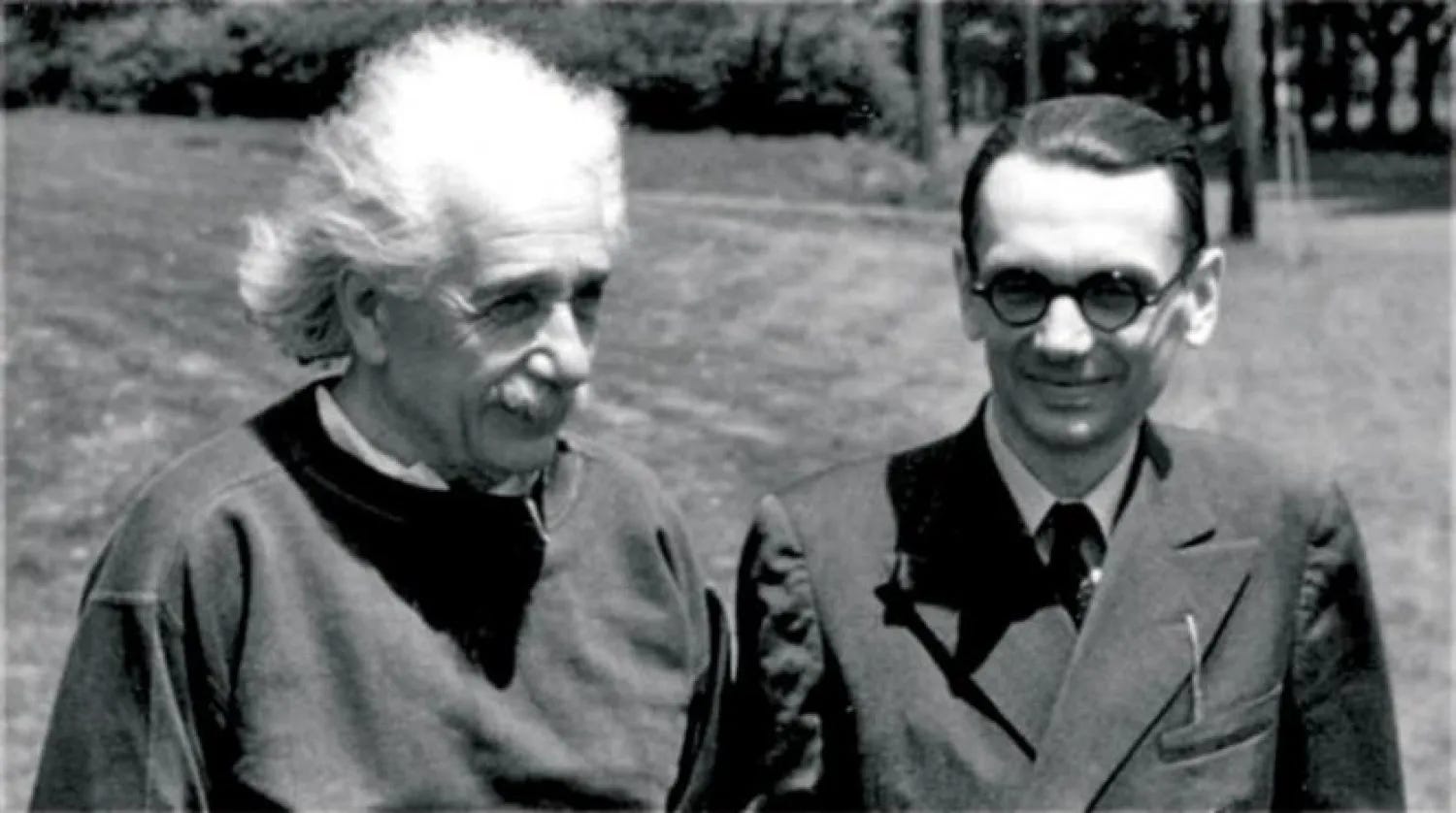
Kurt Gödel was a leading figure in the development of modern logic, he was a mathematician and philosopher whose work profoundly influenced the foundations of mathematics, formal logic, theoretical computer science, theoretical physics, philosophy of language and many other fields. In 1948, as Gödel prepared for his U.S. citizenship interview and he did what any great logician would do: he studied the U.S. Constitution with meticulous rigor. What he found was not just a legal document, but a system exposed to dangers generated by its own internal mechanics. In the contemporary language of cybersecurity, he identified a significant vulnerability. Gödel claimed to have discovered a flaw, a perfectly legal way to turn the United States into a dictatorship. His friends, Albert Einstein, the famous theoretical physicist and colleague of him at the Princeton Institute for Advanced Studies, and Oskar Morgenstern, the economist that co-created the field of modern game theory with John von Neumann, intervened to prevent him from awkwardly explaining his theory during the interview and potentially jeopardize his citizenship request.
Within and outside the system
Gödel’s research in mathematical logic involved formal systems and their mechanics, rules and meta-logic. He was focused on what can be proven, expressed and decided within a formal system, evaluating their own coherence and completeness. Applying this mindset to constitutional law, it can be noted that the U.S. Constitution, like many other constitutions, allows for amendments through a two-thirds vote in Congress and ratification by three-quarters of the states. In theory, this process could be used to pass an amendment that abolishes democracy itself or some of its checks and balances. Even if these should be considered limit cases, there are potential situations where the system could be not self-protecting.
Risks to political freedoms
Today, this idea feels more relevant than ever. We are witnessing the rise of authoritarian leaders and political movements that actively exploit the very mechanisms of democracy to undermine it. The tools of free speech, electoral competition, and legal process are being used not to strengthen democratic institutions, but to erode them. The result is a paradox: democracy’s greatest strength, its openness and flexibility, becomes its greatest vulnerability. This is in alignment with the arguments of other thinkers, like Karl Popper’s “paradox of tolerance”, the fact that unlimited tolerance can destroy tolerance itself. Society as a whole should be intolerant toward intolerants, powerful people or movements that are working to dismantle the foundations of a democratic society such as rule of law, independent judiciary, separation of powers, free and fair elections, freedom of expression, tolerance for dissent and peaceful transfer of power.
Nurturing democracy
Gödel’s fear is not just a historical curiosity. It is a warning into the nature of political systems and today’s challenges. No constitution, no matter how well-crafted, can fully and perpetually immunize itself against the risk of self-destruction. In an age when the boundaries of legality are being tested by those who seek power at any cost, Gödel’s warning reminds us that rules are not enough. The process of democracy should constantly be protected at the meta-level, outside the formal system, outside itself. The challenge for democracies is to renew their spirit in different historical phases, through different challenges, with the active participation of social movements, independent journalism, educational institutions, artists and citizens. Gödel’s warning could help us to pass the real test of citizenship.
“Incompletezza” di Deborah Gambetta è un imperdibile mix di biografia, romanzo e autofiction. Consiglio a tutti.